
O JornalEnsaio
A vigília que ninguém agradece
Parte da segurança é sorte. A maior parte dela é alguém que continuou vigiando depois que todos os outros pararam de notar — e nunca pediu para ser agradecido.
5 min de leitura · Publicado em 6 de setembro de 2026

Todo prédio comercial com turno noturno tem alguém assim: uma pessoa que percorre os mesmos seis andares depois da uma da manhã, verificando portas que estão trancadas há anos e encontrando-as trancadas de novo. Ninguém está acordado para ver isso. A pergunta que importa não é o que essa pessoa está fazendo. É por que ninguém pensa em perguntar quem faz isso, ou por quê.
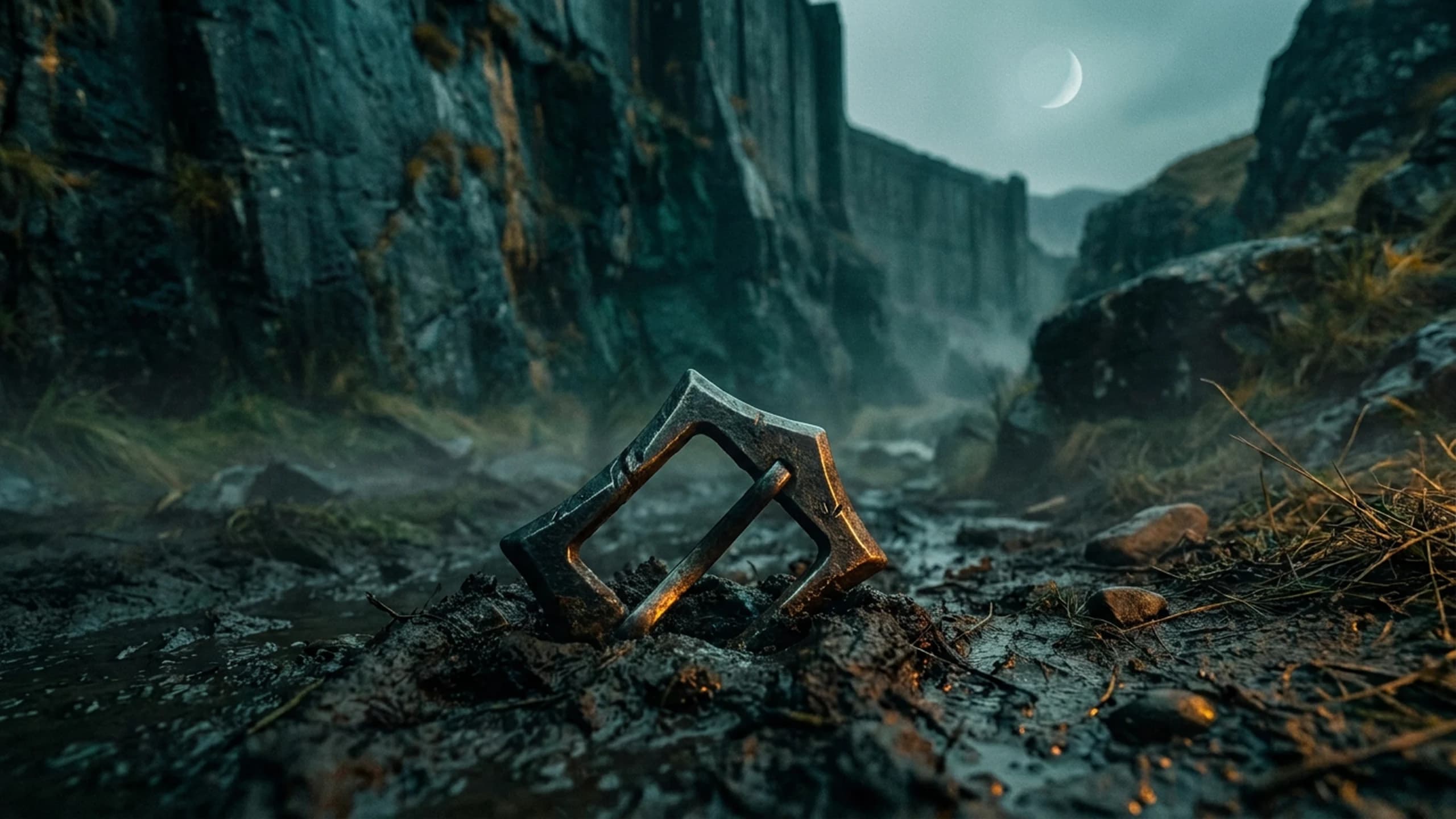
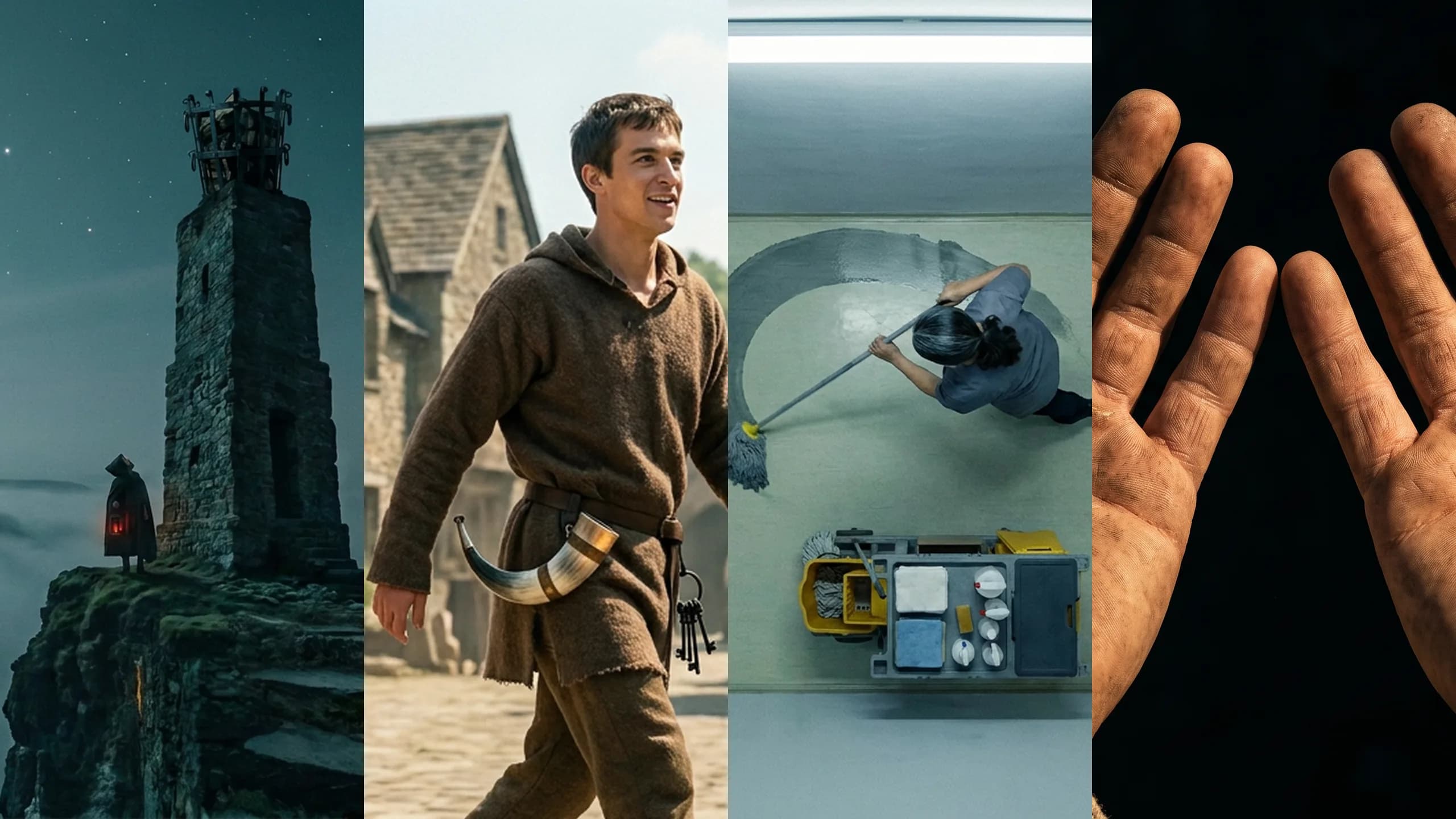
Existe uma história com a mesma forma no centro. Numa cidade de vale, um homem chamado Aram subia setenta e um degraus de pedra toda noite, durante quarenta anos, cajado numa mão e lampião na outra, e caminhava por uma muralha que nenhum inimigo se aproximava havia gerações. "Tinham afeto por ele," diz a história, "do jeito que se tem afeto por uma porta velha." Isso tem nome: vigília não testemunhada — um trabalho que continua acontecendo porque ninguém está checando se ele ainda é necessário.
Mesmo dentro da história, a cidade sustenta as duas metades desse padrão sem perceber que são contraditórias. O próprio conselho de Aram — gente decente, não vilões — já começara a dizer, com gentileza, que uma muralha sem inimigo não precisa de guardião, só de uma boa tranca. A cidade dormia o sono de quem esqueceu por que dorme tão bem. Quarenta anos de silêncio parecem, de fora, prova de que a vigília nunca foi necessária: uma ausência confundida com evidência, porque uma ausência é o único tipo de evidência que a vigilância jamais produz. Nada acontecer é exatamente a aparência de uma vigilância bem-sucedida vista de longe — e é exatamente por isso que é tão fácil concluir que nada era preciso.


A disciplina segue o caminho oposto: vigiar não se aposenta quando dá certo. Em algum lugar dessa mesma cidade, naquela mesma noite, o padrão é invisível da forma mais comum possível — pão esfriando num parapeito, uma rua se acomodando no seu silêncio de sempre — e essa normalidade não é alheia à vigília. Ela é o que a vigília produz. Os paralelos estão por toda parte, assim que a ausência de perigo deixa de ser confundida com ausência de dever: um síndico que ainda percorre o telhado de um prédio depois de vinte anos sem incidentes; um pai ou uma mãe que ainda confere o cinto da cadeirinha por hábito muito depois de o hábito deixar de parecer necessário; uma equipe que roda a mesma checklist de pré-voo no décimo milésimo voo tranquilo como rodou no primeiro. Nenhum deles consegue nomear um perigo específico contra o qual está se protegendo naquela noite. Estão se protegendo da própria versão de si mesmos que decide, razoavelmente, que esta noite provavelmente está tudo bem.
A falha corre nas duas direções, e a segunda merece ser nomeada com a mesma clareza: uma vigília que nunca aprende a descansar não é mais disciplinada do que uma que descansa quando o descanso é merecido. É apenas outra forma de perder o fio — a vigilância azedando numa espécie de medo que trata todo silêncio comum como uma ameaça ainda a caminho. Complacência disfarçada de confiança e vigilância disfarçada de controle terminam no mesmo lugar: alguém que parou de olhar de verdade, um por tédio, o outro por pânico.

A vigília em si parece nada, vista de fora — um lampião se movendo ao longo de uma muralha, uma lanterna varrendo um andar vazio, uma mão checando uma tranca que sempre estaria trancada. É exatamente esse o seu custo. Ela não oferece crise nenhuma para reagir, nem plateia nenhuma para notar que está acontecendo — o que é exatamente por que é a disciplina mais fácil do mundo de simplesmente deixar de manter. No momento em que ela começa a parecer alguma coisa, geralmente já falhou.
Aqui está a virada que a história está de fato fazendo, uma vez posta a cena: os quarenta anos de paz da cidade nunca foram sorte, e também nunca foram simplesmente boa administração. Foram uma escolha específica, refeita toda noite, por alguém que ninguém estava checando. Sorte não sobrevive a ser testada duas vezes; quarenta anos não acontecem por acaso, e não acontecem porque uma norma foi escrita uma vez e deixada para rodar sozinha. "A cidade nunca viu o lampejo," diz a história. "Nunca desceu à ravina. Nunca escolheu ao lado do fogo." A cidade só dormiu — em segurança — dentro de uma escolha que uma pessoa invisível continuou fazendo no frio, noite após noite, até a segurança parar de parecer uma escolha e começar a parecer clima.
Vale carregar isso para além da história. Do que a sua própria vida comum depende hoje sem que você jamais tenha agradecido a ninguém — não porque a dívida não seja real, mas porque você nunca viu quem estava pagando por ela? A água chega limpa; um prédio não pega fogo; uma estrada aguenta; um sistema não cai às duas da manhã porque alguém foi acionado e respondeu — e respondeu de novo na noite seguinte. Por trás de quase tudo que simplesmente funciona, alguém está, ou esteve, fazendo uma versão da caminhada de Aram — e ser notado nunca foi a condição para fazer isso bem, nunca foi sequer o objetivo.
A história que carrega esse padrão do início ao fim se chama O Guardião da Muralha.
O que você guarda em segredo guarda todos os que dormem.

O que traz o turno da noite de volta ao início. O guarda do sexto andar verifica uma porta que está trancada há seis anos e que, esta noite, será trancada de novo. Nenhum registro vai anotar isso, ninguém vai perguntar sobre isso de manhã, e nada no prédio vai parecer diferente por isso ter acontecido. Isso não é a ausência do trabalho. Isso é o trabalho.
Assista à história de onde vem esse padrão — O Guardião da Muralha, S01E01.

Assista à história de onde vem esse padrão
O Guardião da Muralha
Temporada 1 · Episódio 1Assistir agora →
O próximo conto ou reflexão, por e-mail
Um e-mail quando houver um novo conto ou reflexão. Sem ruído.
Perguntas
- O que é a vigília sem testemunhas?
- O trabalho que continua acontecendo porque ninguém verifica se ainda é necessário — a ronda por portas que seguem trancadas, muralhas de que nenhum inimigo se aproxima. Seu único produto é uma ausência: nada acontecer é exatamente a cara do sucesso.
- Por que o trabalho ingrato importa se ninguém percebe?
- Porque a quietude comum que ele produz não é inocente. Quarenta anos calmos parecem, de fora, prova de que vigiar nunca foi preciso — mas por trás de quase tudo que simplesmente funciona, alguém faz uma versão daquela ronda, sem agradecimento.
- A vigilância pode passar do ponto?
- Sim. Uma vigília que nunca aprende a descansar azeda num medo que trata todo silêncio comum como ameaça. Complacência vestida de confiança e vigilância vestida de controle terminam no mesmo lugar: um vigia que já não olha de verdade.